All blog posts

Explore the world of design and learn how to create visually stunning artwork.

Paano Ka Makatipid ng ₱30M sa Kuryente — Solar Savings Philippines

October 8, 2025 | by Kai Noble

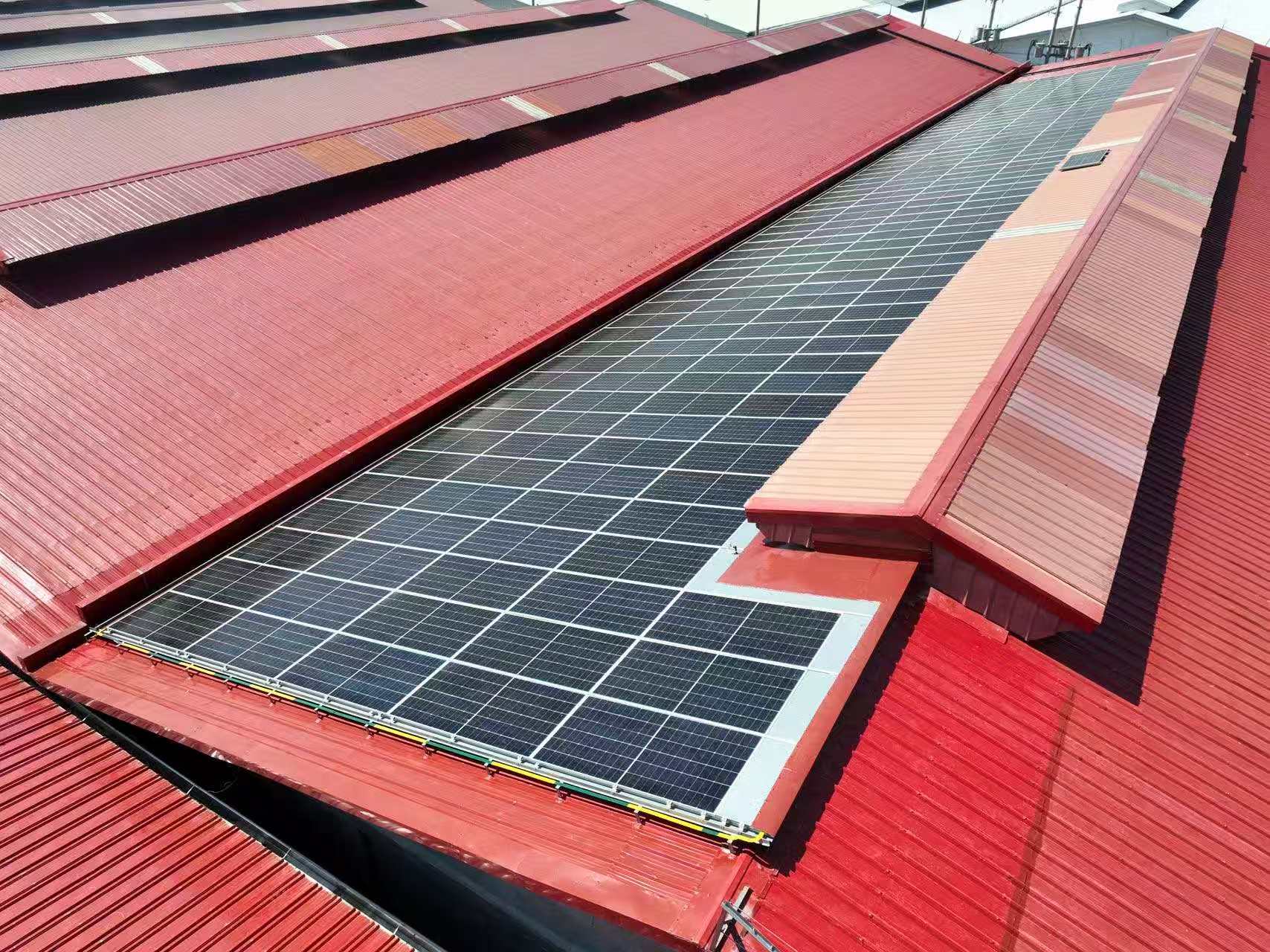
320KW Pasig City, 1600 Metro Manila

September 20, 2025 | by firstpowersolar08@gmail.com
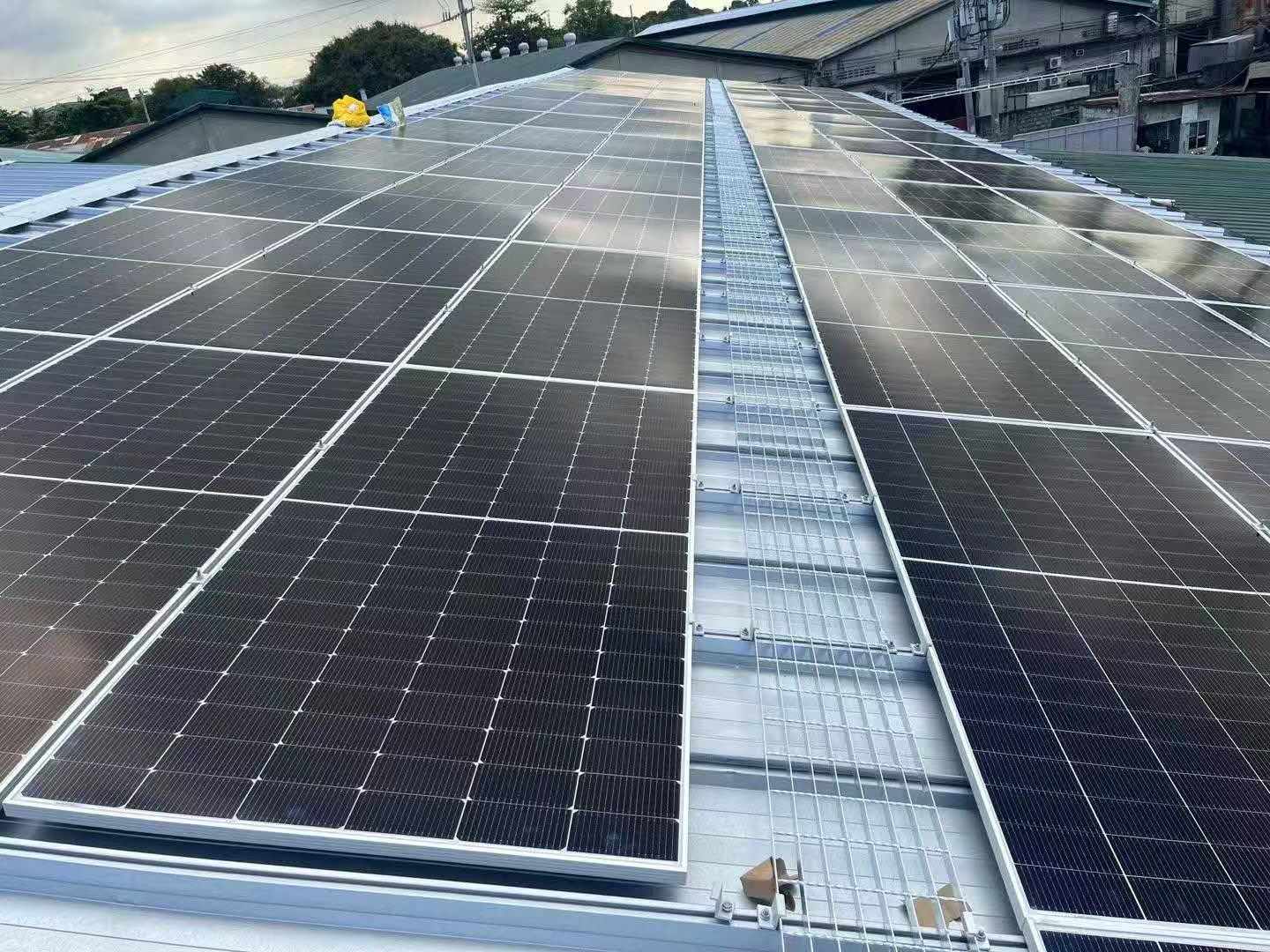
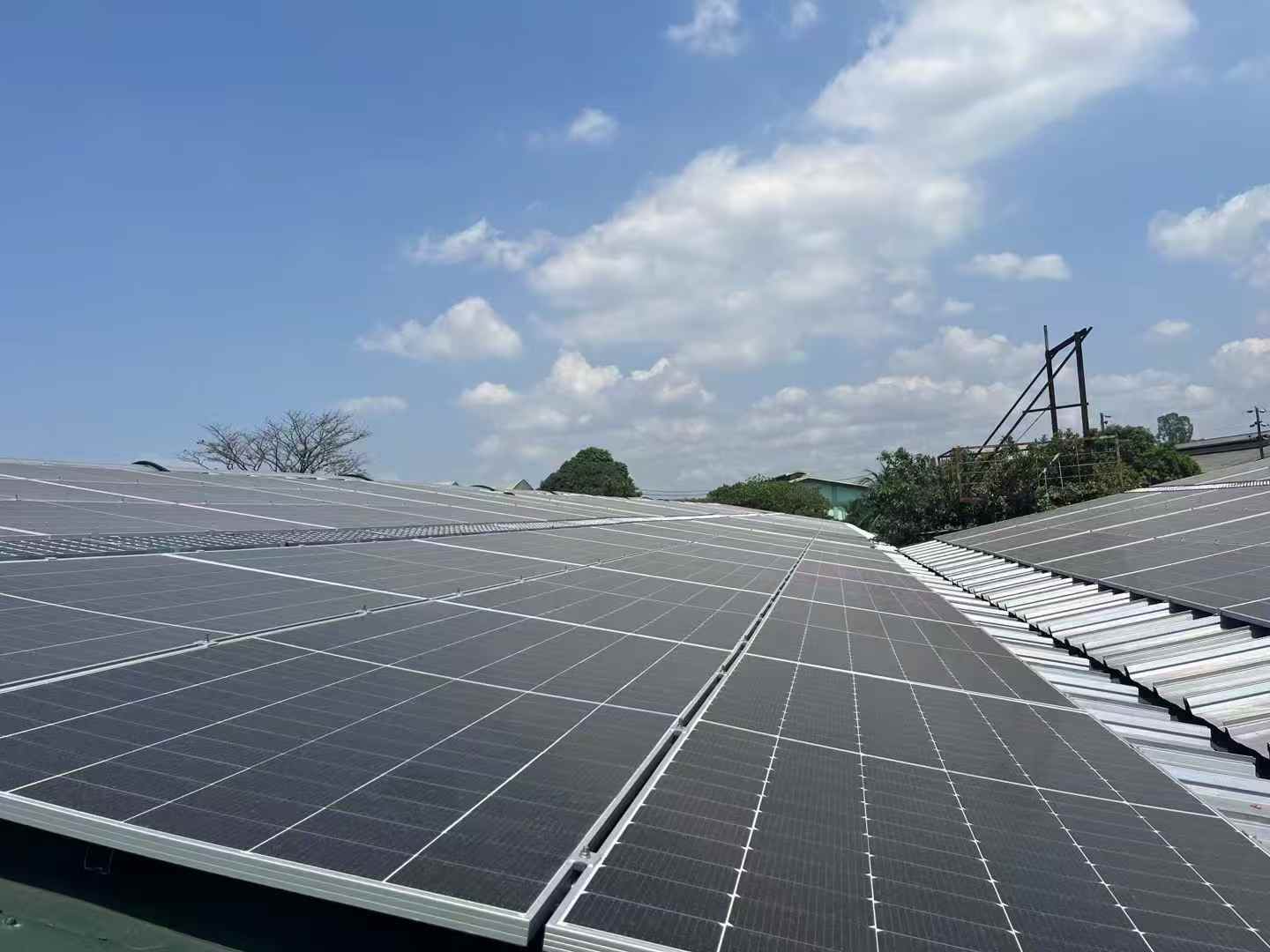
400KW – 52 Asia Compound, T. Santiago Street, Valenzuela City

September 20, 2025 | by firstpowersolar08@gmail.com
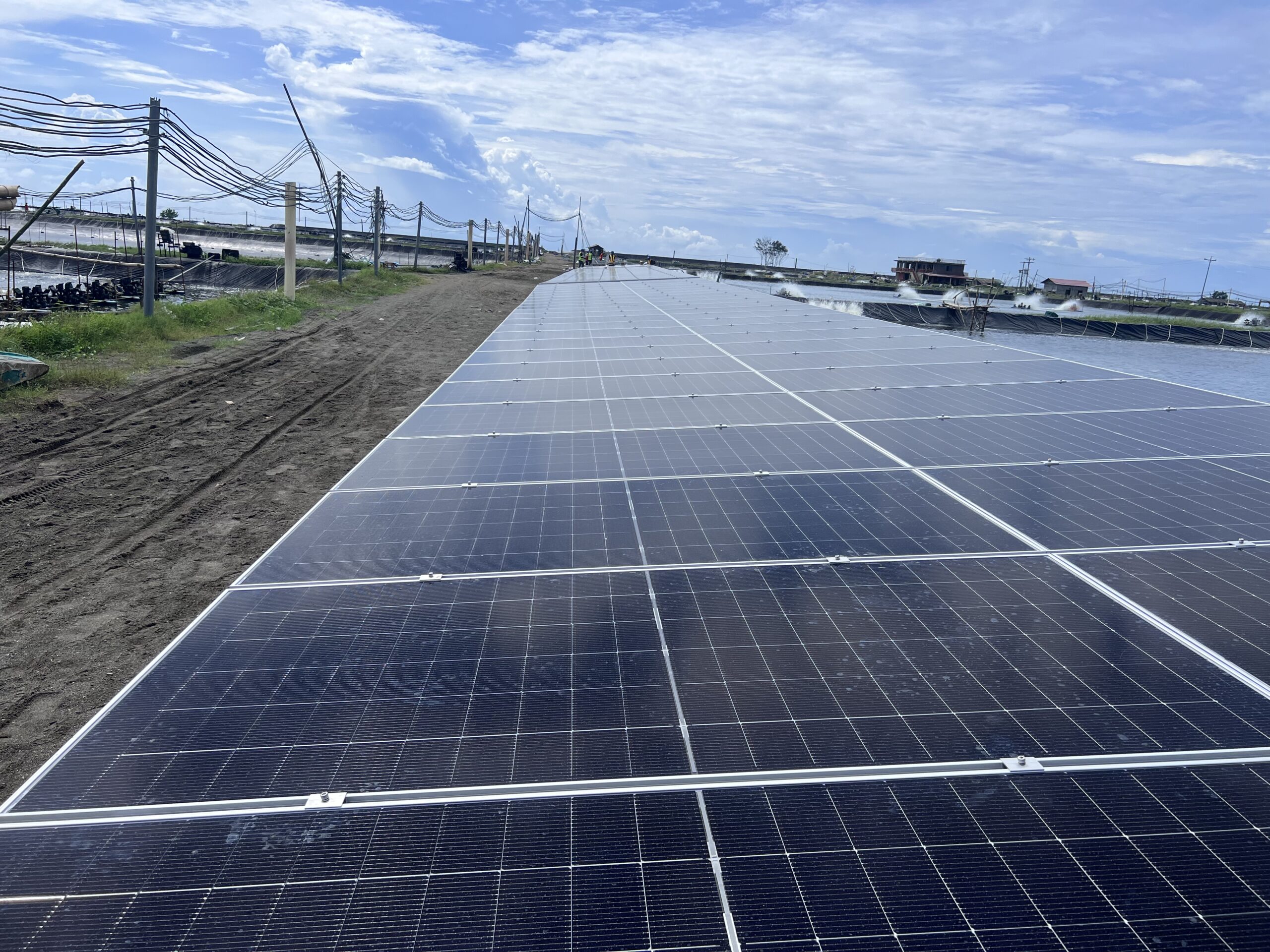
578.22 KW578.22 KW -383 F. San Diego, Valenzuela City, Metro Manila

September 20, 2025 | by firstpowersolar08@gmail.com
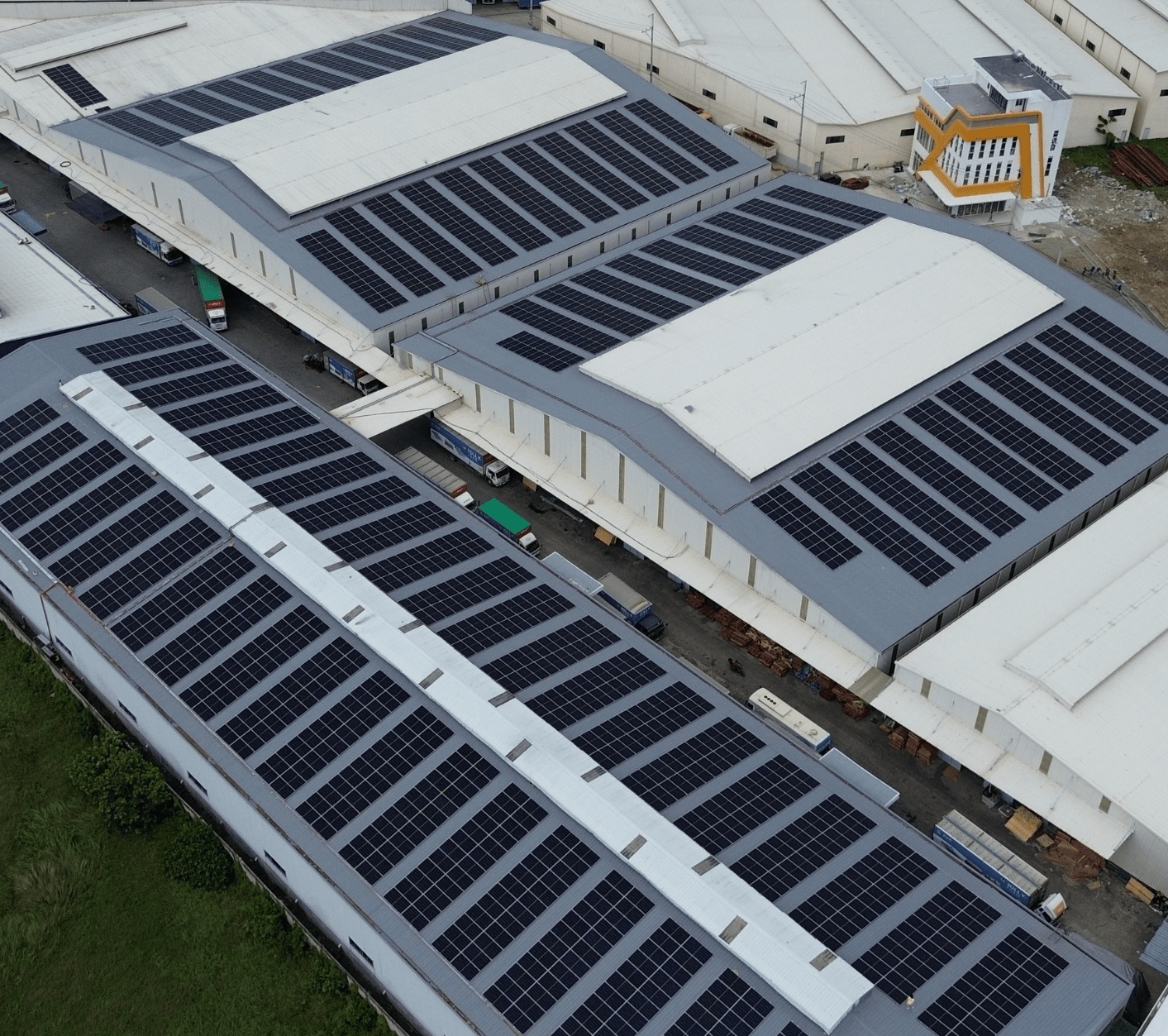
368 KW – Buisan Bustos Bulacan

September 20, 2025 | by firstpowersolar08@gmail.com
1.42MG Plaridel, Bulacan City

September 20, 2025 | by firstpowersolar08@gmail.com
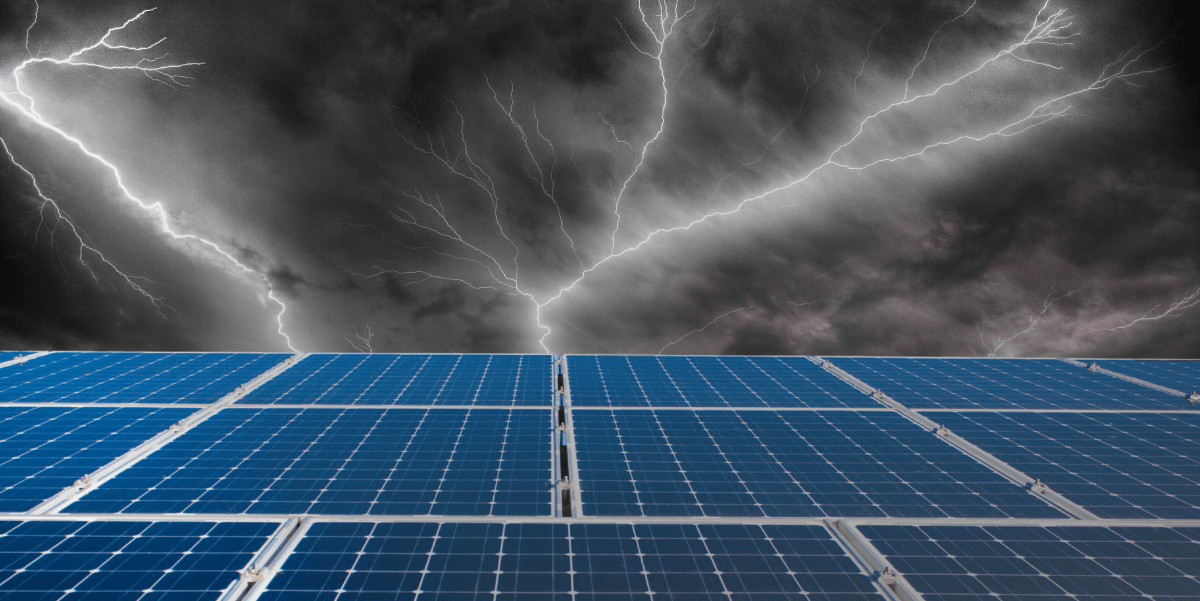
Do Solar Panels Work During Storms?

July 11, 2025 | by Kai Noble

Long-Term Energy Savings Through PPA Solar

June 19, 2025 | by firstpowersolar08@gmail.com
Solar power spreading across nonprofits and schools

May 26, 2025 | by firstpowersolar08@gmail.com

Philippines government fast-tracks ‘world’s largest’ solar and storage project with 4.5GWh BESS

May 24, 2025 | by firstpowersolar08@gmail.com

Marcos leads groundbreaking of world’s largest solar project

May 23, 2025 | by firstpowersolar08@gmail.com
Understanding Solar Inverters

May 16, 2025 | by firstpowersolar08@gmail.com
How Solar PPAs Help Schools Cut Energy Bills by Over 46%

May 15, 2025 | by firstpowersolar08@gmail.com
5 things before switching to Solar Energy

May 13, 2025 | by firstpowersolar08@gmail.com
How Wind Turbines Work

May 10, 2025 | by Kai Noble

Understanding Solar Photovoltaic Systems

May 10, 2025 | by Kai Noble

Is it best to switch to solar energy here in the Philippines?

May 8, 2025 | by firstpowersolar08@gmail.com
The Advantages and Disadvantages of Solar Energy

May 7, 2025 | by firstpowersolar08@gmail.com
Solar Energy vs Traditional Energy

May 7, 2025 | by Kai Noble

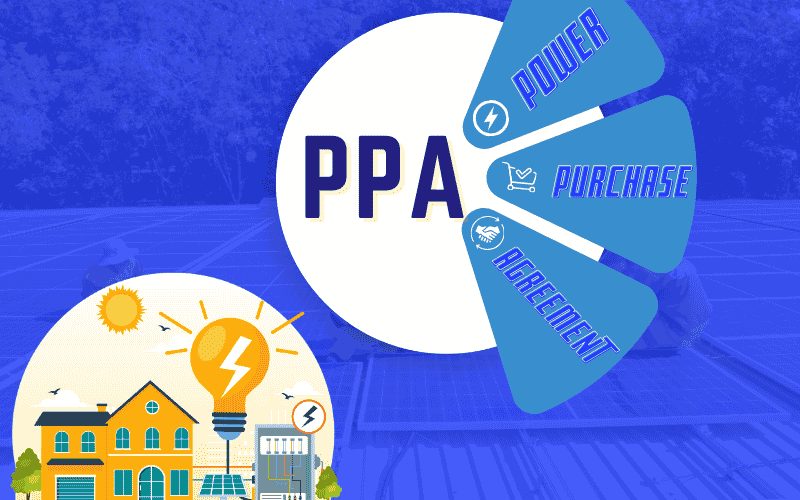
What is a Power Purchase Agreement ?

May 5, 2025 | by Kai Noble

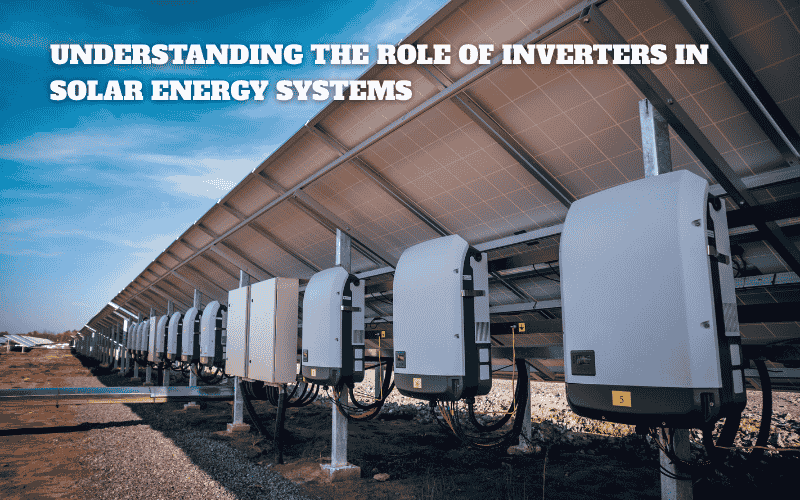
Understanding the Role of Inverters in Solar Energy Systems

April 28, 2025 | by Kai Noble

Net Metering in the Philippines

April 25, 2025 | by Kai Noble

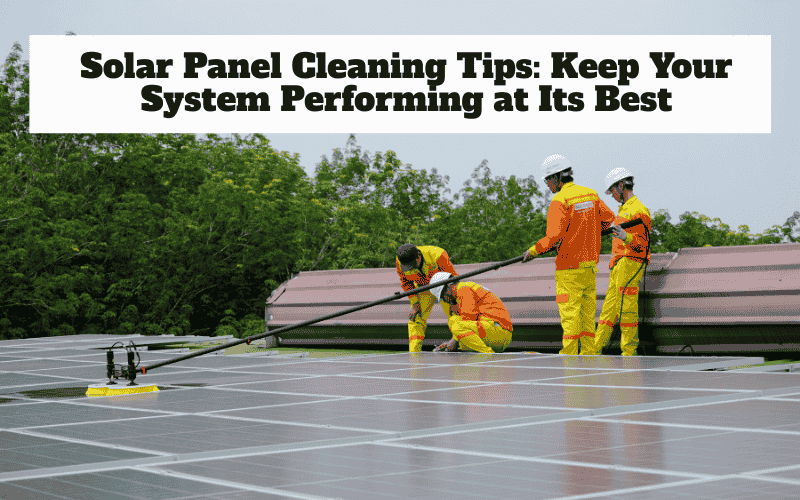
Solar Panel Cleaning Tips

April 24, 2025 | by Kai Noble

Off-Grid vs On-Grid Solar Systems

April 24, 2025 | by Kai Noble

Understanding Solar Inverters

April 24, 2025 | by Kai Noble

Major Energy Companies in the Philippines

April 23, 2025 | by Kai Noble

Best Solar Panel in the Philippines

April 23, 2025 | by Kai Noble

How to Install Solar Panels at Home

April 23, 2025 | by Kai Noble

Cheapest Solar Panel Price in the Philippines

April 22, 2025 | by Kai Noble

Buy Solar Panels Philippines Online

April 22, 2025 | by Kai Noble

Powering Your Business with Commercial Solar Solutions

April 22, 2025 | by firstpowersolar08@gmail.com
The Rise of Solar Energy for Businesses in the Philippines

April 21, 2025 | by Kai Noble

Harnessing Solar Power: Installing Solar Panels on Flat Roofs

April 21, 2025 | by Kai Noble

What is solar energy?

April 21, 2025 | by Kai Noble

How to Maintain Your Solar Panels for Maximum Efficiency

April 16, 2025 | by Kai Noble

How Solar Energy Helps Reduce Carbon Footprint

April 16, 2025 | by Kai Noble

Solar Battery Storage: Is It Worth the Investment?

April 16, 2025 | by Kai Noble

How to Determine the Right Solar System

April 14, 2025 | by Kai Noble

Required Weather Conditions for Solar Panels

April 12, 2025 | by Kai Noble

How Durable Are Solar Panels?

April 12, 2025 | by Kai Noble

Solar Panel Efficiency: Temperature and Shade Impact

April 12, 2025 | by Kai Noble

How Solar-Powered Water Pumps Benefit Farmers and Agriculture

April 11, 2025 | by Kai Noble

Higher generation charge pushes Meralco’s April power rates up

April 11, 2025 | by Kai Noble

Solar System Facts: Pros and Cons

April 10, 2025 | by Kai Noble

How Do Solar Panels Work? A Simple Guide for Filipinos

April 10, 2025 | by Kai Noble

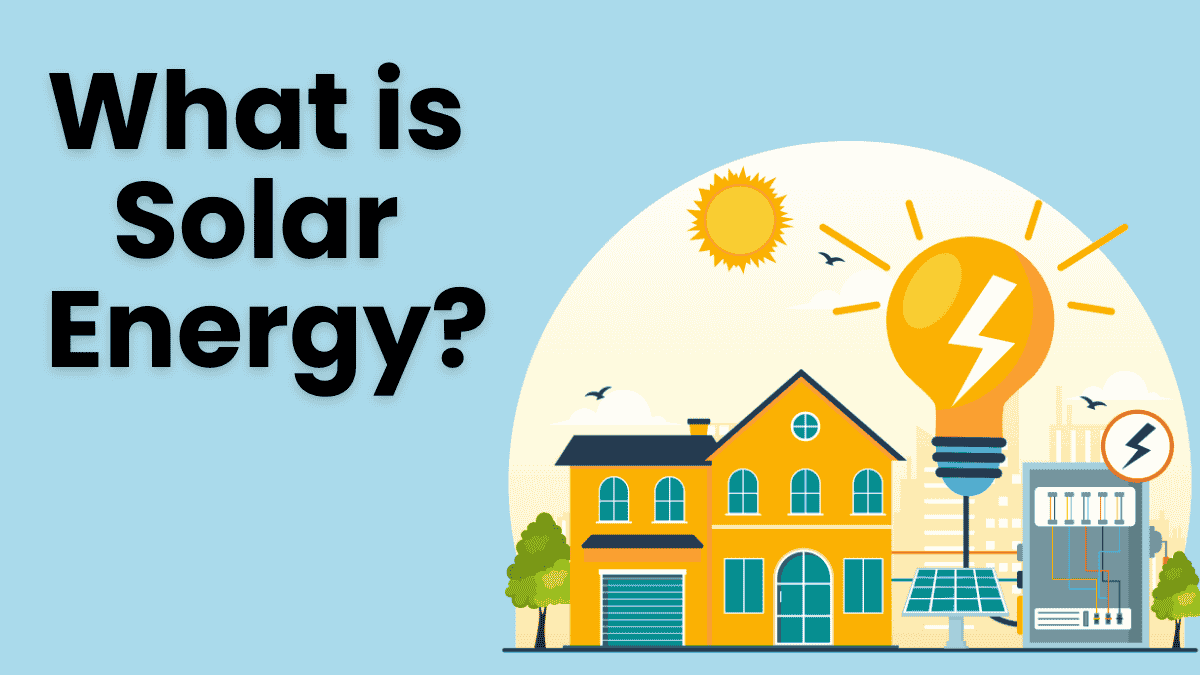
What is solar energy? Powering the Philippines with Sunlight

April 10, 2025 | by Kai Noble

Can Solar Panels Work During Power Outages?

April 8, 2025 | by Kai Noble

Why Now is the Best Time to Switch to Solar Energy

April 8, 2025 | by Kai Noble

How Businesses Can Benefit from Commercial Solar Solutions

April 7, 2025 | by Kai Noble

Off-Grid vs. Grid-Tied Solar Systems

April 7, 2025 | by firstpowersolar08@gmail.com
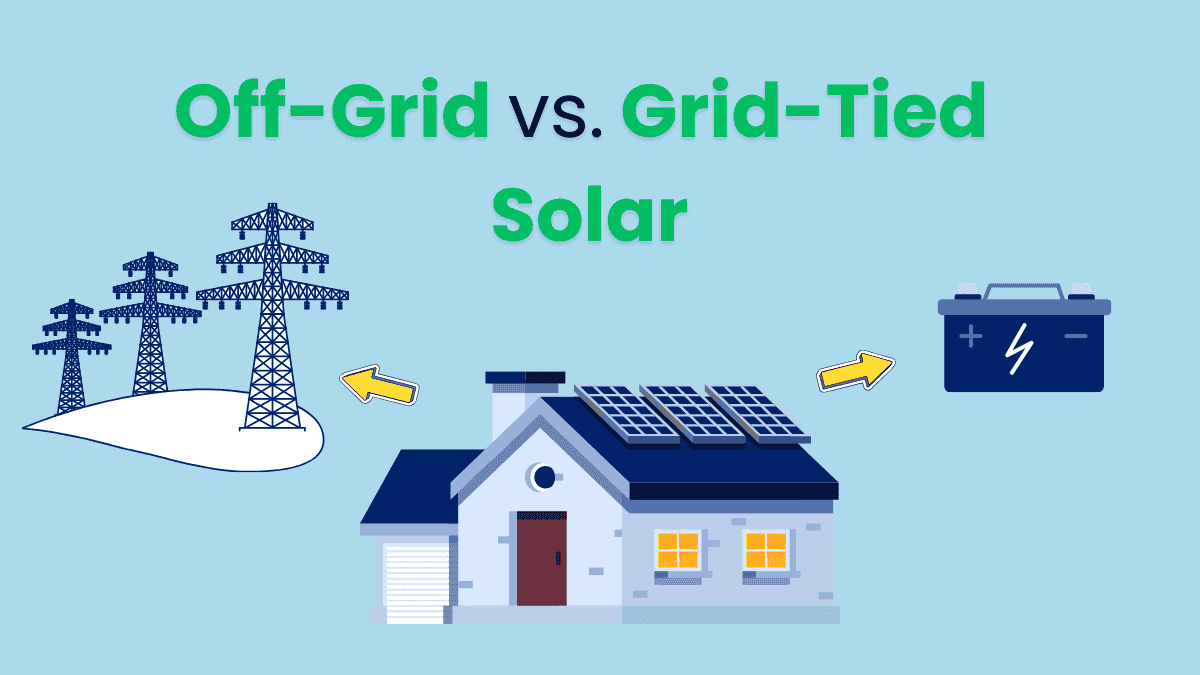
Off-Grid vs. Grid-Tied Solar

Off-Grid vs. Grid-Tied Solar Systems: Powering Your Future, Your Way

The sun’s energy offers a compelling alternative to traditional power sources, but navigating the world of solar systems can be daunting. Two primary configurations dominate the landscape: off-grid and grid-tied. Understanding the nuances of each system is crucial to making an informed decision that aligns with your energy needs and lifestyle. This article delves into the core differences between off-grid vs. grid-tied solar systems, helping you determine which one is the perfect fit for you.

Grid-Tied Solar Systems: Harnessing the Sun, Connected to the Network

Grid-tied solar systems, also known as grid-connected or utility-interactive systems, are the most common type of residential solar setup. They operate in conjunction with the existing electrical grid, offering a seamless integration of solar power with traditional utility electricity.

Key Features and Benefits:

  • Net Metering: Excess solar energy produced during sunny periods is fed back into the grid, earning you credits on your electricity bill. This significantly reduces or even eliminates your reliance on utility power.
  • Cost-Effectiveness: Grid-tied systems are generally less expensive to install compared to off-grid systems, as they eliminate the need for costly battery storage.
  • Reliability: You remain connected to the grid, ensuring a continuous power supply even during periods of low solar production or cloudy weather.
  • Simplicity: Grid-tied systems are relatively simple to design and install, requiring fewer components than off-grid setups.

Ideal for:

  • Homeowners in urban or suburban areas with reliable grid access.
  • Individuals looking to reduce their electricity bills and environmental footprint.
  • Those seeking a cost-effective and relatively low-maintenance solar solution.

Off-Grid Solar Systems: Independence from the Grid

Off-grid solar systems, also known as stand-alone systems, provide complete energy independence by disconnecting entirely from the utility grid. These systems rely on battery storage to ensure a continuous power supply, even during periods of limited sunlight.

Key Features and Benefits:

  • Energy Independence: Off-grid systems offer complete freedom from utility companies, eliminating electricity bills and power outages.
  • Remote Locations: Ideal for powering homes, cabins, or remote facilities where grid access is unavailable or prohibitively expensive.
  • Self-Sufficiency: Provides a sense of self-reliance and control over your energy consumption.
  • Environmental Friendliness: Relying solely on solar power minimizes your carbon footprint.

Ideal for:

  • Individuals living in remote areas with limited or no grid access.
  • Those seeking complete energy independence and self-sufficiency.
  • People with a strong desire to minimize their environmental impact.

Key Differences: Off-Grid vs. Grid-Tied Solar

FeatureGrid-Tied SolarOff-Grid Solar
Connection to GridConnectedDisconnected
Battery StorageOptional (for backup)Essential
CostLower initial costHigher initial cost
ReliabilityHigh (grid backup)Dependent on battery capacity and sunlight
MaintenanceLowerHigher (battery maintenance)
Net MeteringAvailableNot applicable
Ideal LocationUrban/SuburbanRemote/Rural

Choosing the Right System: Factors to Consider

When deciding between off-grid vs. grid-tied solar, several factors should be considered:

  • Location: Grid availability and sunlight exposure are critical considerations.
  • Energy Needs: Assess your daily energy consumption to determine the appropriate system size.
  • Budget: Off-grid systems generally have higher upfront costs due to battery storage.
  • Energy Independence: Evaluate your desire for complete energy independence.
  • Environmental Goals: Consider your commitment to reducing your carbon footprint.
  • Maintenance: Consider the ongoing maintenance of the system, especially batteries for off-grid systems.

Conclusion: Empowering Your Energy Choice

Both off-grid vs. grid-tied solar systems offer unique advantages, empowering you to harness the sun’s energy in a way that aligns with your specific needs. Grid-tied systems offer a cost-effective and reliable solution for homeowners with grid access, while off-grid systems provide complete energy independence for those seeking self-sufficiency in remote locations. By carefully evaluating your needs and considering the factors outlined in this article, you can make an informed decision and embark on your journey towards a sustainable and energy-efficient future.

Request A Quote